Ns3 Projects
Energy Efficiency Protocol Implementation in Ns3 projects
We do support Energy Efficiency Protocol Implementation in Ns3 projects
Energy efficiency has become a crucial consideration in network design and operation, particularly with the increasing deployment of energy-constrained devices and the growing demand for network services. Network simulation tools like NS3 provide a valuable platform for evaluating and optimizing energy efficiency protocols and strategies.
Key Energy Efficiency Protocols
Several energy efficiency protocols have been developed to address the energy consumption challenges in wireless networks. These protocols target different aspects of network operation, including:
1. Medium Access Control (MAC): MAC protocols like IEEE 802.11 Power Save Mode (PSM) and IEEE 802.15.4 MAC aim to reduce energy consumption during idle periods by putting network devices into sleep mode.
2. Routing: Energy-aware routing protocols, such as EEE (Energy Efficient Ethernet) and OLSR-DV (Optimized Link State Routing with Dynamic Voltage and Frequency Scaling), consider energy consumption when making routing decisions, minimizing the overall energy expenditure.
3. Network Adaptation: Network adaptation protocols dynamically adjust network parameters, such as transmission power and data rates, based on traffic conditions and energy constraints, optimizing energy usage without compromising performance.
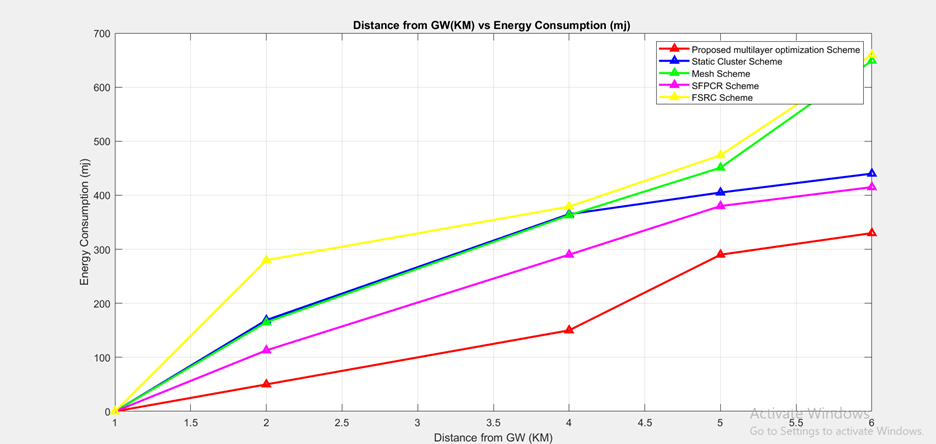
Energy Efficiency Protocol Implementation in Ns3 projects
4. Energy Harvesting: Energy harvesting protocols enable network devices to collect energy from ambient sources, such as solar, wind, or vibration, reducing their reliance on traditional power sources.
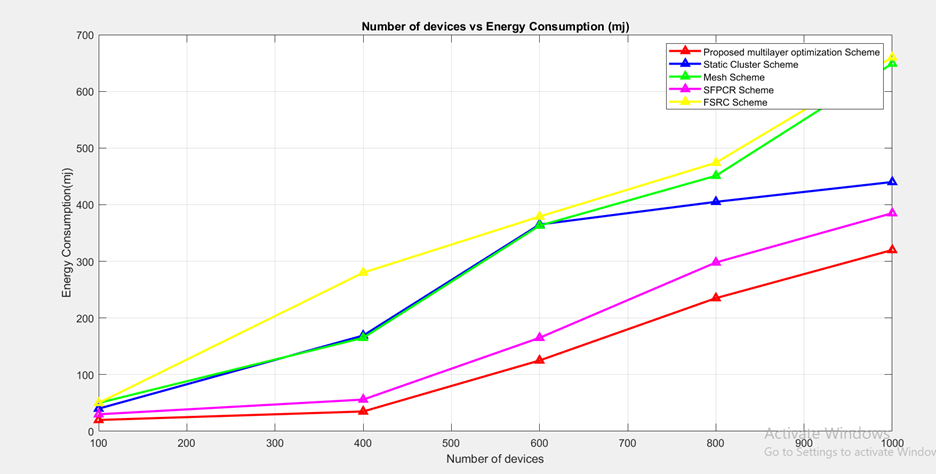
Energy Efficiency Protocol Implementation in Ns3 projects
Energy Efficiency Protocol Implementation in Ns3 projects
NS3 offers a comprehensive framework for modeling and simulating energy efficiency protocols in network scenarios. Researchers and network engineers can utilize NS3 to:
- Evaluate Protocol Performance: NS3 simulations allow for evaluating the energy efficiency performance of different protocols under various network conditions and traffic patterns.
- Analyze Energy Consumption: NS3 can track and analyze the energy consumption of network devices, providing insights into the impact of different protocols and configurations.
- Optimize Protocol Parameters: NS3 simulations can be used to optimize protocol parameters, such as sleep durations and power levels, for improved energy efficiency.
- Compare Energy Efficiency Strategies: NS3 enables the comparison of different energy efficiency strategies and protocols, identifying the most effective approaches for specific network scenarios.
Protocols Used for Energy Efficiency Protocol Implementation in Ns3 projects
- Device Energy Models: NS3 provides various device energy models that capture the power consumption characteristics of different network devices, such as sensors, routers, and base stations.
- Traffic Generation Models: Realistic traffic generation models are crucial for simulating energy consumption patterns under varying traffic conditions.
- Mobility Models: Mobility models that accurately reflect the movement patterns of network devices are essential for evaluating energy efficiency in mobile networks.
- Energy Harvesting Models: NS3 incorporates energy harvesting models that simulate the energy generated from various sources, enabling the evaluation of energy-neutral or energy-positive network designs.
Benefits of Energy Efficiency Protocol Implementation in Ns3 projects
- Proactive Energy Optimization: NS3 simulations allow for proactive energy optimization by identifying energy-efficient protocols and strategies before deployment.
- Reduced Network Operation Costs: By optimizing energy consumption, network operators can reduce energy costs and enhance network sustainability.
- Extended Network Lifetime: Energy-efficient protocols can prolong the lifetime of network devices, reducing maintenance and replacement costs.
- Environmental Impact Mitigation: By reducing energy consumption, network operations contribute to minimizing the environmental impact of network infrastructure.
Conclusion
Energy efficiency protocol implementation in NS3 projects plays a critical role in addressing the energy consumption challenges of modern communication networks. By leveraging NS3's capabilities, researchers and network engineers can evaluate, optimize, and deploy energy-efficient protocols and strategies, ensuring the sustainable operation and growth of future network infrastructures. As network technologies continue to evolve, NS3 will remain a valuable tool for exploring and implementing innovative energy-saving solutions that meet the demands of a connected and sustainable future.