PhD in Deep learning using Matlab
PhD in Deep learning using Matlab project support
We do support PhD in Deep learning using Matlab Topics and Ideas
Ph.D. in Deep Learning Using MATLAB covers a wide range of research areas, each offering tremendous potential for innovation and real-world impact. Deep learning techniques can be applied to numerous domains, from computer vision to robotics, language processing, and healthcare analytics. Below is an overview of the major research directions and methodologies involved in Ph.D. in Deep Learning Using MATLAB.
1. Computer Vision
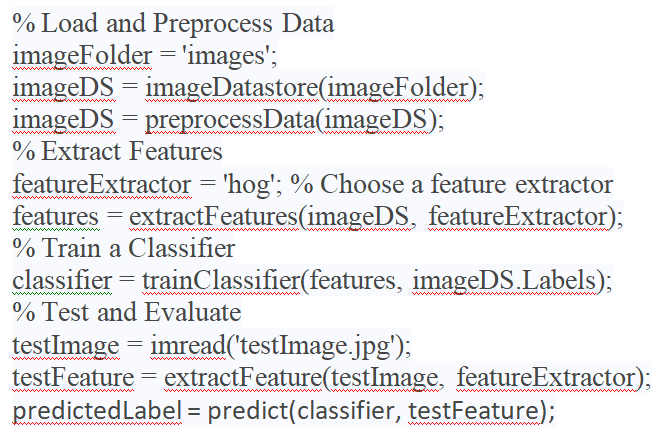
Image Recognition: Developing models for object detection, scene understanding, image retrieval, and image segmentation using MATLAB. The following steps outline a common workflow for deep learning-based image recognition using MATLAB in Ph.D. in Deep Learning Using MATLAB research:
1. Data Preparation: Collect and organize images into labeled categories representing the objects or scenes to recognize.
2. Image Preprocessing: Normalize, resize, and standardize image formats to ensure consistent input data.
3. Feature Extraction: Use methods such as SIFT, HOG, or deep features from CNNs to extract essential information.
4. Training a Classifier: Employ machine learning models like SVMs, k-NN, or deep networks for classification.
5. Testing and Evaluation: Assess model accuracy, precision, and recall on unseen test data.
Below is a MATLAB example illustrating image recognition using a simple classifier:
Ph.D. in Deep Learning Using MATLAB
2. Video Analysis
Building algorithms for video summarization, action recognition, motion detection, and anomaly identification.
3. Medical Imaging
Using deep learning for detecting tumors, segmenting organs, and classifying medical scans to aid in diagnostics.
4. Natural Language Processing (NLP)
- Machine Translation: Automatic translation between human languages.
- Text Summarization: Condensing long documents into concise summaries.
- Chatbots & Conversational AI: Creating intelligent systems for human-like dialogue.
5. Robotics and Control
- Robot Navigation: Developing autonomous path planning and obstacle avoidance algorithms.
- Object Manipulation: Training robots to recognize and interact with objects in real-world environments.
- Reinforcement Learning: Applying trial-and-error learning to optimize robotic performance.
6. Generative Models
- Image Synthesis: Creating realistic synthetic images using GANs.
- Music Generation: Composing new melodies and harmonies using neural architectures.
- Text Generation: Producing coherent text using transformer-based models.
7. Explainable AI and Interpretability
Focusing on understanding model decision-making processes to improve transparency and trustworthiness of deep learning systems.
8. Theoretical Foundations of Deep Learning
Investigating new architectures, activation functions, and optimization algorithms to advance theoretical understanding of neural networks.
9. Human-Computer Interaction
Designing adaptive and personalized systems that respond to human gestures, emotions, and natural language for improved interaction.
Ph.D. in Deep Learning Using MATLAB
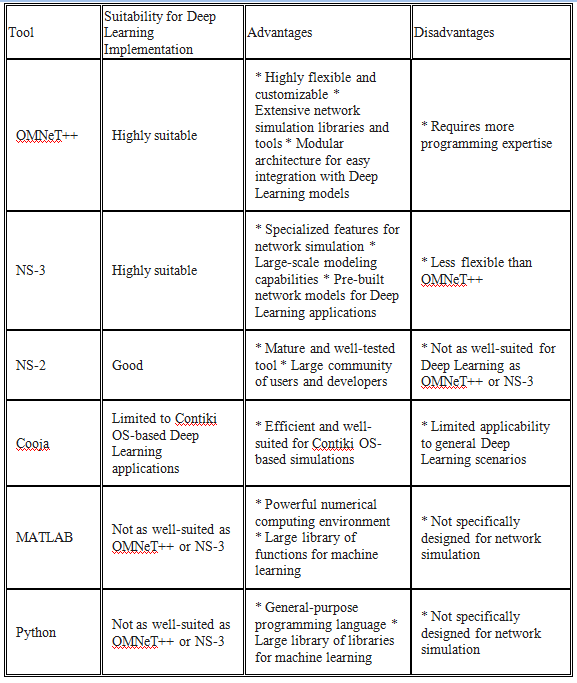
These research directions demonstrate the versatility of Ph.D. in Deep Learning Using MATLAB, spanning both theoretical and applied domains. MATLAB provides a robust ecosystem for simulation, visualization, and deep learning implementation—enabling PhD researchers to experiment, optimize, and deploy AI solutions effectively.
In summary, Ph.D. in Deep Learning Using MATLAB empowers scholars to contribute to a transformative field with immense real-world impact, from healthcare to automation, and beyond.